
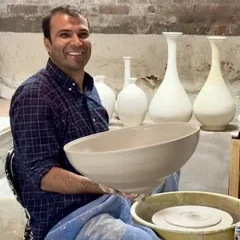
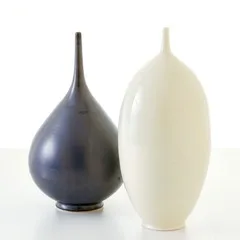
Ceramics Class with Internationally Recognized, 7th Generation Potter, Matin Malikzada (Mon, 9:30 AM to 12:30 PM | Sep 14-Nov 9, 2026)
Price range: $45.00 through $385.00
8 weeks
Mondays 9:30 AM to 12:30 PM | Sep 14, Sep 21, Sep 28 (rescheduled to Nov 9), Oct 5, Oct 12 (rescheduled to Nov 16), Oct 19, Wednesday, Oct 28 1:30 to 4:30 PM (no class on Monday, Oct 26), Nov 2, Nov 9 and Nov 16
Location: Washington Art Association Ceramics Studio
Recommended for intermediate- to advanced-level potters, or by special permission.
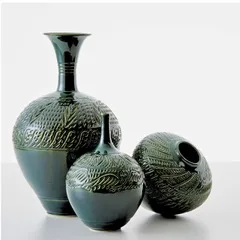
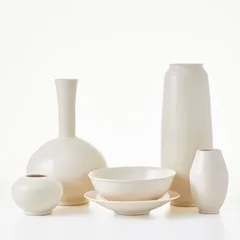
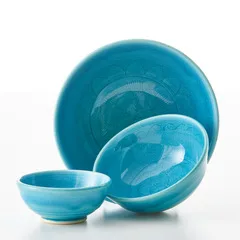
Join internationally recognized, 7th-generation master potter, Matin Malikzada for an in-depth, hands-on exploration of form, function, and design. Learn about centuries-old techniques that live on in Matin’s work and let them serve as the inspiration for the work you’ll create during this 8-session program. Consider what will give your piece its voice: is it the size, its shape, the nature of its details, the glaze, or the qualities of its artisanal decoration? Bring your curiosity and creative drive to make pottery, ask questions, and reimagine ancient traditions today.
Clay is included.
The firing fee is an additional 8 cents per cubic inch.
The bench fee is $75/semester.
Cancellation Policy
Description
Eight-Session Traditional Pottery Course Plan
Course Overview
This eight-session course introduces students to the fundamental techniques of traditional Afghan pottery-making. Students will learn how to prepare and wedge clay, center clay on the wheel, shape vessels, remove vessels from the wheel using a traditional technique, refine the bottoms and feet of vessels, and prepare finished pieces for the next stages of the pottery process.
The course is based on traditional Afghan pottery knowledge and techniques that I learned from my father and developed through many years of working with clay.
Session 1 — Understanding and Preparing the Clay
Main Focus: Clay preparation and wedging
Students will learn why properly prepared clay is essential for successful pottery-making.
Topics include:
- Understanding the basic properties of clay
- Preparing clay for wheel throwing
- Proper wedging techniques
- Making the clay uniform in texture and consistency
- Removing trapped air pockets
- Understanding how properly prepared clay affects the shaping process
Practice:
Students will practice wedging the clay until it becomes consistent, workable, and ready for the wheel.
Session 2 — Centering Clay on the Wheel
Main Focus: Centering
Students will learn one of the most important skills in wheel throwing: properly centering the clay.
Topics include:
- Placing the clay firmly on the wheel head
- Using the hands and body correctly
- Establishing control over the clay
- Recognizing when the clay is properly centered
- Understanding how centering affects the entire vessel
Practice:
Students will repeatedly center clay on the wheel until they develop greater control, balance, and confidence.
Session 3 — Opening and Beginning the Vessel
Main Focus: Opening the centered clay and establishing the basic form
Students will learn how to begin transforming the centered clay into a vessel.
Topics include:
- Opening the center of the clay
- Establishing the thickness of the bottom
- Creating the initial interior space
- Maintaining even pressure
- Beginning to raise and shape the walls
Practice:
Students will practice opening the clay and establishing the basic structure of a vessel.
Session 4 — Pulling and Shaping the Walls
Main Focus: Building the form of the vessel
Students will learn how to raise the walls and develop the shape of a vessel.
Topics include:
- Pulling the clay upward
- Controlling wall thickness
- Maintaining even pressure
- Creating different forms and proportions
- Using both hands together effectively
- Developing control and consistency
Practice:
Students will make a simple vessel while focusing on even walls and controlled movement.
Session 5 — Traditional Method of Removing the Vessel from the Wheel
Main Focus: My traditional working method
Students will be introduced to my traditional method of working directly on the wheel head rather than using a removable round bat.
Topics include:
- Working directly on the wheel head
- Understanding when the vessel is ready to be removed
- Using two fingers to carefully separate the vessel from the wheel
- Handling the vessel without damaging its form
- Understanding the difference between this method and commonly used bat techniques
Practice:
Students will observe and practice the technique under guidance, with an emphasis on patience and careful handling.
Session 6 — Smoothing and Refining the Bottom
Main Focus: Bottom preparation and traditional tools
When the vessel reaches approximately 30 percent dry and is becoming leather hard, students will learn how to work on the bottom of the vessel.
Topics include:
- Checking the condition of the clay
- Smoothing and leveling the bottom
- Introduction to the traditional Afghan tool called “Tabak”
- Understanding how the tool is made and used
- Refining the bottom of bowls, plates, and other vessels
Practice:
Students will practice smoothing and refining the bottom of their vessels using appropriate tools and techniques.
Session 7 — Trimming and Refining the Foot
Main Focus: Trimming
When the vessel reaches approximately 40–50 percent dry and is at the appropriate leather-hard stage, students will learn the trimming process.
Topics include:
- Removing excess clay
- Refining the bottom of the vessel
- Creating and shaping the foot
- Maintaining balance and proportion
- Creating a clean and finished base
- Understanding how the foot supports the overall form
Practice:
Students will trim and refine their vessels according to their individual forms.
Session 8 — Final Refinement and Preparing the Vessel for the Next Stage
Main Focus: Final preparation before decoration and firing
The final session will focus on completing and refining the vessels made during the course.
Topics include:
- Checking the overall form
- Refining edges and surfaces
- Cleaning the vessel
- Checking the bottom and foot
- Understanding proper drying
- Allowing the vessel to reach the bone-dry stage
- Preparing the finished greenware for the next stage of the pottery process
Students will also review the complete process they have learned throughout the eight sessions, from preparing the clay to completing the vessel.
General Information About Decoration
Decoration is an important part of traditional Afghan pottery, but it will be taught separately from this eight-session course.
After the vessel has completely dried, the surface can be carefully prepared with water and a sponge. A white surface layer made from china clay (kaolin) and quartz may then be applied before decoration.
Traditional Afghan pottery can include floral designs, geometric patterns, natural elements, and other traditional motifs. After decoration, the vessel can proceed to bisque firing, followed by glazing and the final firing.
These stages will be covered separately in a dedicated decoration and finishing lesson.
Course Goal
By the end of the eight sessions, students will have a strong foundation in the traditional process of making pottery on the wheel. They will understand the importance of properly preparing clay, centering, shaping, removing the vessel from the wheel, refining the bottom, trimming the foot, and preparing the vessel for the next stage.
Most importantly, students will gain an understanding that pottery is not simply about making a shape. It is a process that requires patience, control, observation, and respect for the clay.
Through these traditional Afghan techniques, students will have the opportunity to experience a pottery tradition that has been passed from one generation to another.
Additional information
| Membership Status | Member, Non-member |
|---|---|
| Class Type | Drop-In, Full Session |
Eight-Session Traditional Pottery Course Plan
Course Overview
This eight-session course introduces students to the fundamental techniques of traditional Afghan pottery-making. Students will learn how to prepare and wedge clay, center clay on the wheel, shape vessels, remove vessels from the wheel using a traditional technique, refine the bottoms and feet of vessels, and prepare finished pieces for the next stages of the pottery process.
The course is based on traditional Afghan pottery knowledge and techniques that I learned from my father and developed through many years of working with clay.
Session 1 — Understanding and Preparing the Clay
Main Focus: Clay preparation and wedging
Students will learn why properly prepared clay is essential for successful pottery-making.
Topics include:
- Understanding the basic properties of clay
- Preparing clay for wheel throwing
- Proper wedging techniques
- Making the clay uniform in texture and consistency
- Removing trapped air pockets
- Understanding how properly prepared clay affects the shaping process
Practice:
Students will practice wedging the clay until it becomes consistent, workable, and ready for the wheel.
Session 2 — Centering Clay on the Wheel
Main Focus: Centering
Students will learn one of the most important skills in wheel throwing: properly centering the clay.
Topics include:
- Placing the clay firmly on the wheel head
- Using the hands and body correctly
- Establishing control over the clay
- Recognizing when the clay is properly centered
- Understanding how centering affects the entire vessel
Practice:
Students will repeatedly center clay on the wheel until they develop greater control, balance, and confidence.
Session 3 — Opening and Beginning the Vessel
Main Focus: Opening the centered clay and establishing the basic form
Students will learn how to begin transforming the centered clay into a vessel.
Topics include:
- Opening the center of the clay
- Establishing the thickness of the bottom
- Creating the initial interior space
- Maintaining even pressure
- Beginning to raise and shape the walls
Practice:
Students will practice opening the clay and establishing the basic structure of a vessel.
Session 4 — Pulling and Shaping the Walls
Main Focus: Building the form of the vessel
Students will learn how to raise the walls and develop the shape of a vessel.
Topics include:
- Pulling the clay upward
- Controlling wall thickness
- Maintaining even pressure
- Creating different forms and proportions
- Using both hands together effectively
- Developing control and consistency
Practice:
Students will make a simple vessel while focusing on even walls and controlled movement.
Session 5 — Traditional Method of Removing the Vessel from the Wheel
Main Focus: My traditional working method
Students will be introduced to my traditional method of working directly on the wheel head rather than using a removable round bat.
Topics include:
- Working directly on the wheel head
- Understanding when the vessel is ready to be removed
- Using two fingers to carefully separate the vessel from the wheel
- Handling the vessel without damaging its form
- Understanding the difference between this method and commonly used bat techniques
Practice:
Students will observe and practice the technique under guidance, with an emphasis on patience and careful handling.
Session 6 — Smoothing and Refining the Bottom
Main Focus: Bottom preparation and traditional tools
When the vessel reaches approximately 30 percent dry and is becoming leather hard, students will learn how to work on the bottom of the vessel.
Topics include:
- Checking the condition of the clay
- Smoothing and leveling the bottom
- Introduction to the traditional Afghan tool called “Tabak”
- Understanding how the tool is made and used
- Refining the bottom of bowls, plates, and other vessels
Practice:
Students will practice smoothing and refining the bottom of their vessels using appropriate tools and techniques.
Session 7 — Trimming and Refining the Foot
Main Focus: Trimming
When the vessel reaches approximately 40–50 percent dry and is at the appropriate leather-hard stage, students will learn the trimming process.
Topics include:
- Removing excess clay
- Refining the bottom of the vessel
- Creating and shaping the foot
- Maintaining balance and proportion
- Creating a clean and finished base
- Understanding how the foot supports the overall form
Practice:
Students will trim and refine their vessels according to their individual forms.
Session 8 — Final Refinement and Preparing the Vessel for the Next Stage
Main Focus: Final preparation before decoration and firing
The final session will focus on completing and refining the vessels made during the course.
Topics include:
- Checking the overall form
- Refining edges and surfaces
- Cleaning the vessel
- Checking the bottom and foot
- Understanding proper drying
- Allowing the vessel to reach the bone-dry stage
- Preparing the finished greenware for the next stage of the pottery process
Students will also review the complete process they have learned throughout the eight sessions, from preparing the clay to completing the vessel.
General Information About Decoration
Decoration is an important part of traditional Afghan pottery, but it will be taught separately from this eight-session course.
After the vessel has completely dried, the surface can be carefully prepared with water and a sponge. A white surface layer made from china clay (kaolin) and quartz may then be applied before decoration.
Traditional Afghan pottery can include floral designs, geometric patterns, natural elements, and other traditional motifs. After decoration, the vessel can proceed to bisque firing, followed by glazing and the final firing.
These stages will be covered separately in a dedicated decoration and finishing lesson.
Course Goal
By the end of the eight sessions, students will have a strong foundation in the traditional process of making pottery on the wheel. They will understand the importance of properly preparing clay, centering, shaping, removing the vessel from the wheel, refining the bottom, trimming the foot, and preparing the vessel for the next stage.
Most importantly, students will gain an understanding that pottery is not simply about making a shape. It is a process that requires patience, control, observation, and respect for the clay.
Through these traditional Afghan techniques, students will have the opportunity to experience a pottery tradition that has been passed from one generation to another.
You may also like…
Related products
-

Advancing Your Personal Artistic Journey With Edward DeVoe – Mini Semester 2024
Price range: $140.00 through $175.00 Sign Up This product has multiple variants. The options may be chosen on the product page -
Advancing Your Personal Artistic Journey with Edward DeVoe – Fall Class 2025
Price range: $320.00 through $385.00 Sign Up This product has multiple variants. The options may be chosen on the product page -

WAASAP!! Elementary After-School Art Program with Brianna Killion – Fall 2025
Price range: $45.00 through $400.00 Sign Up This product has multiple variants. The options may be chosen on the product page -
Ceramics with Pam Church | Beginners and Intermediate – Fall Class 2025
Price range: $320.00 through $385.00 Sign Up This product has multiple variants. The options may be chosen on the product page